World Obesity Day 2026: History, Significance, Theme And All You Need To Know About This Day
World Obesity Day 2026 is observed on March 4. Know its history, significance, and this year’s powerful theme calling for global action against obesity.
Stay up to date with the latest research, tips, and trends in fitness, nutrition, and weight management.
World Obesity Day 2026 is observed on March 4. Know its history, significance, and this year’s powerful theme calling for global action against obesity.
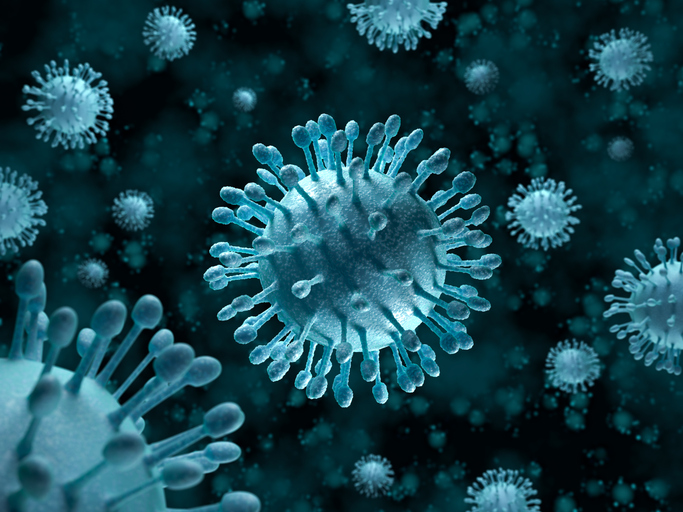
Respiratory viral infections, such as influenza and coronavirus, are major threats to humankind. Injectable vaccines for SARS-CoV-2 protect against severe disease but fail to induce immunity in the upper airway mucosa, the virus entry site, thus not preventing infection and transmission. This highlights the urgent need for mucosal-targeted vaccination systems. While intranasal immunization holds promise, achieving local antigen delivery for mucosal immunity remains challenging. To address this, we designed an innovative nanoparticle system to deliver intranasal vaccines, using the receptor-binding domain (RBD) and multiple T-cell epitopes of SARS-CoV-2 antigens. Nonporous silica-based nanoparticles (SiNP) functionalized with a mucoadhesive cyclodextrin polymer (MaP) were selected as a delivery vehicle capable of adhering to and penetrating mucus. In a 3-dose regimen, the nanovaccine induced and sustained high systemic and neutralizing antibody levels for at least 1 year, with robust cellular responses, as well as IgA secretion in the oral and nasal cavities, providing strong protection against SARS-CoV-2 and substantially reducing viral loads in both upper and lower respiratory tracts. Our findings provide evidence that an intranasal vaccination platform combining two distinct nanoscale strategies might be crucial for inducing lasting and broad systemic and upper airway immunity, potentially controlling SARS-CoV-2 infection and transmission.
Aged care industry news Australia
For years, treating gum disease has meant scraping away plaque, cutting out damaged tissue or turning to antibiotics that kill bacteria indiscriminately.
One of the big mysteries in food allergy is why two people with similar levels of peanut specific antibodies can react so differently. It turns out the answer may be in the mouth and gut's bacteria.
A recent study has identified a connection between pren […]
Researchers at the University of Bath have developed a new technology that uses bacteria to build, chemically stabilize, and test millions of potential drug molecules inside living cells, making it much quicker and easier to discover new treatments for difficult-to-treat cancers.
If you're diagnosed with breast cancer, what should you eat to ensure the best prognosis?
A large national study in Denmark following nearly 1,900 patients over almost a decade found that a minimally invasive procedure called ablation is as effective as surgery for treating small kidney cancers, with faster recovery and fewer complications. Results of the study were published today in Radiology, a journal of the Radiological Society of North America (RSNA).
A large UK Biobank study of more than 350,000 adults found that social isolation, but not loneliness alone, was associated with a modest increase in overall cancer risk during over 11 years of follow-up. The association was stronger in women and appeared partly linked to socioeconomic disadvantage, unhealthy behaviors, and inflammatory processes.