Ebola outbreak tops 2,000 cases in DR Congo
More than 2,000 Ebola cases, including 754 deaths, have been recorded in the DR Congo, where the World Health Organization warns the outbreak may be two to four times larger than official figures suggest.
Stay up to date with the latest research, tips, and trends in fitness, nutrition, and weight management.
More than 2,000 Ebola cases, including 754 deaths, have been recorded in the DR Congo, where the World Health Organization warns the outbreak may be two to four times larger than official figures suggest.
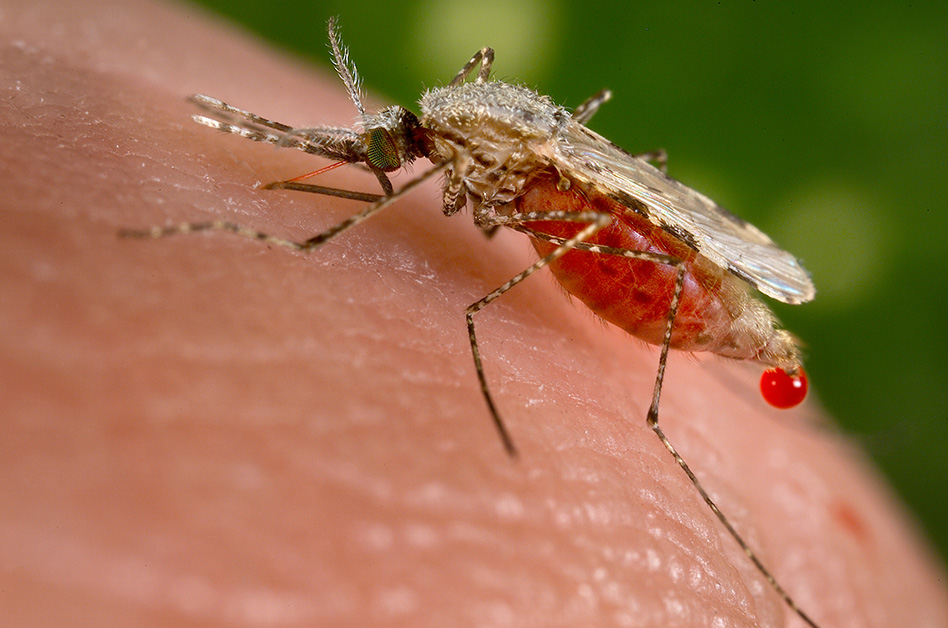
Rain had turned the dirt road into thick mud, but Mabel Djoumessi kept walking with her 9-month-old son, Kenfack, strapped to her back. His malaria vaccination appointment at a clinic in central Cameroon was too important to miss.
Why do some children with autism communicate more easily than others, even when they hear the same words? Researchers from the University of Virginia believe the answer may lie in the brain's electrical activity. In a new study published in Scientific Reports, they found that subtle patterns in brain activity while children listened to speech were linked to how well autistic youths communicate in everyday life.
The early-stage trial of a potential novel nonartemisinin malaria drug found it rapidly killed malaria parasites and was generally well tolerated in infected volunteers, showing it is a promising candidate for uncomplicated malaria that could help meet the need for new medicines to overcome the growing threat of parasite drug resistance.
A new systematic review and meta-analysis presented at the International Congress on Obesity (ICO2026), hosted by the World Obesity Federation (WOF) in Mexico City, Mexico, July 15–17, is the first study to show that behavioral weight loss interventions reduce the risk of obesity-related cancers in people living with overweight and obesity by 15%. The study was conducted by Dr. Matthew Harris and Professor Andrew Renehan of the Manchester Cancer Research Center at the University of Manchester in the United Kingdom.
Researchers have discovered that a microscopic skeleton inside neurons does much more than hold cells together. It acts as a gatekeeper that controls what brain cells absorb and when they absorb it. When this protective structure weakens, neurons rapidly take in harmful proteins associated with Alzheimer's disease, suggesting that stabilizing it could become a promising new strategy for preventing brain cell damage.
Ebola Outbreak Tops 2,000 Cases In DR Congo
"This is not an infection that we encountered even five years ago in the hospital."
More than 57 million people live with dementia worldwide. Read more at straitstimes.com.
Organoid platform uncovers chronic pancreatitis development and identifies possible therapeutic strategies.