old Manchester pub at the centre of a notorious unsolved murder which will soon be no more
The Bank of England in Manchester became the focus of a high-profile murder probe
Stay up to date with the latest research, tips, and trends in fitness, nutrition, and weight management.
The Bank of England in Manchester became the focus of a high-profile murder probe
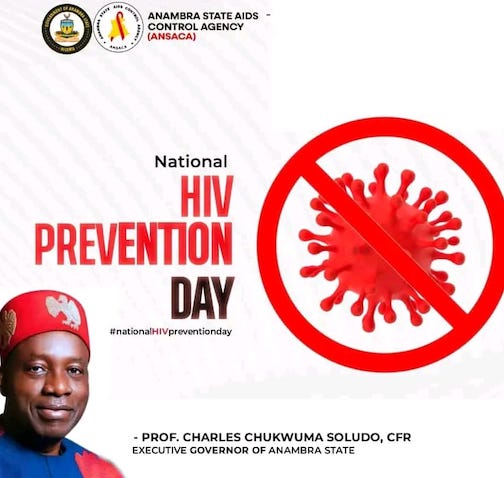
National HIV Prevention Day highlights the importance of preventing new HIV infections through regular testing, increased public awareness, safer health practic
Six months of exclusive breastfeeding was associated with a higher prevalence of food allergy and atopic dermatitis
Diabetic foot represents one of the most serious complications of diabetes mellitus. Short videos on diabetic foot are increasingly disseminated through TikTok and Bilibili apps, which have emerged as dominant sources of health-related content. However, the credibility and quality of information in these short videos have not been systematically evaluated. Our study aims to assess the quality and reliability of Chinese short videos on diabetic foot shared on TikTok and Bilibili. A cross-sectional study design was adopted, and a total of 244 short videos related to diabetic foot were collected from two platforms: TikTok and Bilibili. On December 15, 2025, information quality and reliability assessment was conducted using three validated evaluation tools: GQS for quality assessment, and the mDISCERN and JAMA benchmarks for reliability assessment. Meanwhile, user interaction indicators and video characteristics were extracted. Nonparametric tests were applied to compare differences across platforms and uploader types, and Spearman correlation was used to examine relationships among video characteristics, engagement metrics, and quality scores. Compared to Bilibili, TikTok demonstrated significantly higher engagement metrics (all P < 0.001). The quality of short videos was suboptimal on both platforms, with median GQS of 2.00 (1.00,3.00), mDISCERN of 2.00 (1.00,2.00), and JAMA score of 2.00 (2.00,2.00). TikTok videos achieved significantly higher GQS and JAMA scores than Bilibili (both P < 0.001). By uploader type, non-specialists achieved significantly higher GQS scores than specialists (median 3.00 vs. 2.00, P < 0.001). Content distribution was imbalanced: clinical manifestations (48.36%) and treatment (44.26%) were prevalent, whereas epidemiology (7.79%) and diagnosis (14.34%) were underrepresented; 51.23% of videos covered a single theme and 48.77% addressed multiple themes. Video duration was positively correlated with GQS (r = 0.59, P < 0.001) and mDISCERN (r = 0.26, P < 0.001) but not with JAMA, while engagement metrics showed only weak or non-significant correlations with all quality scores. Our study shows that the quality of short videos on diabetic foot is poor on TikTok and Bilibili, with significant content imbalances. Videos uploaded by professionals demonstrated better reliability than those from individual users. Engagement metrics were not reliable indicators of information quality. Thus, medical information short videos on these platforms must be carefully evaluated for scientific soundness, and platforms should strengthen content regulation to ensure accurate diabetic foot education.
A second person has died from the Legionnaires' disease cluster in the Upper East Side, health officials said Saturday, as declining cases have brought hope that the source of the deadly outbreak has likely been eliminated.
…HIV/AIDS cases across Nigeria which the recent statistics revealed that Delta State has over 51,000 people with the disease.
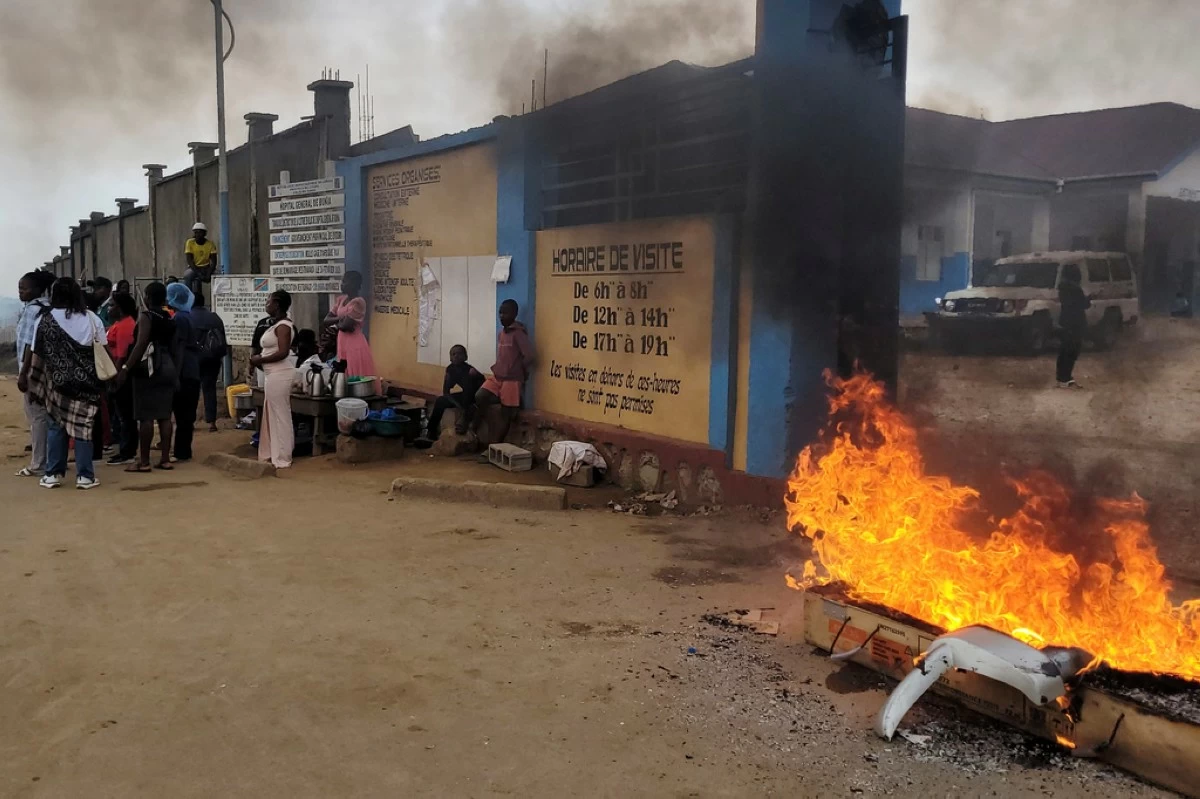
BUNIA, Congo (AP) — At least a dozen attacks on health facilities and workers have been recorded during Congo's Ebola outbreak as safety fears restrict the...
The technology was developed by scientists at the Feinstein Institutes for Medical Research in the United States. It is the first system to restore both.
Child health experts have cautioned parents against bathing babies and children with cold water, especially during the rainy season, warning that the practice could expose them to hypothermia and increase their risk of infections.
U.S-based Nigerian doctor, Dr Erina Imasogie, has said that health workers, including doctors and nurses, are the worst patients because they often sacrifice for others while neglecting their own health. Imasogie made the assertion during a medical outreach held on Saturday in Lagos. The outreach was organised by Erina Help and Care Foundation in collaboration